Parasite prevalence in the Indian River Lagoon has dropped significantly, raising concerns about the health of this vital Florida estuary. According to recent studies, the Indian River Lagoon parasite decline is closely linked to environmental stressors and habitat changes affecting the lagoon’s diverse ecosystem.
Indian River Lagoon Parasite Decline: Key Findings
Recent research into the Indian River Lagoon (IRL) reveals that parasite prevalence is about 34% lower than in similar coastal and estuarine ecosystems. This decline is most notable among specific parasite groups and host species, reflecting broader ecological changes within the lagoon.
- Digenetic trematodes show a 15% decrease in prevalence.
- Isopods are 20% less common in the IRL compared to other estuaries.
- Nematodes have declined by 9%.
- Crustacean infection rates are 11% lower, while fish infection rates are 8% lower than in comparable systems.
- Parasites with complex life cycles, especially larval-stage parasites, are 17% less common in the IRL.
- No larval tapeworms or acanthocephalans were found in studied crabs, indicating a general absence of these parasites.
Background: Indian River Lagoon’s Ecological Importance
The Indian River Lagoon is a biodiverse estuarine system in Florida, historically known for its extensive seagrass beds and complex food webs. Parasites in this environment act as indicators of ecosystem health, as their survival depends on stable and diverse host populations.
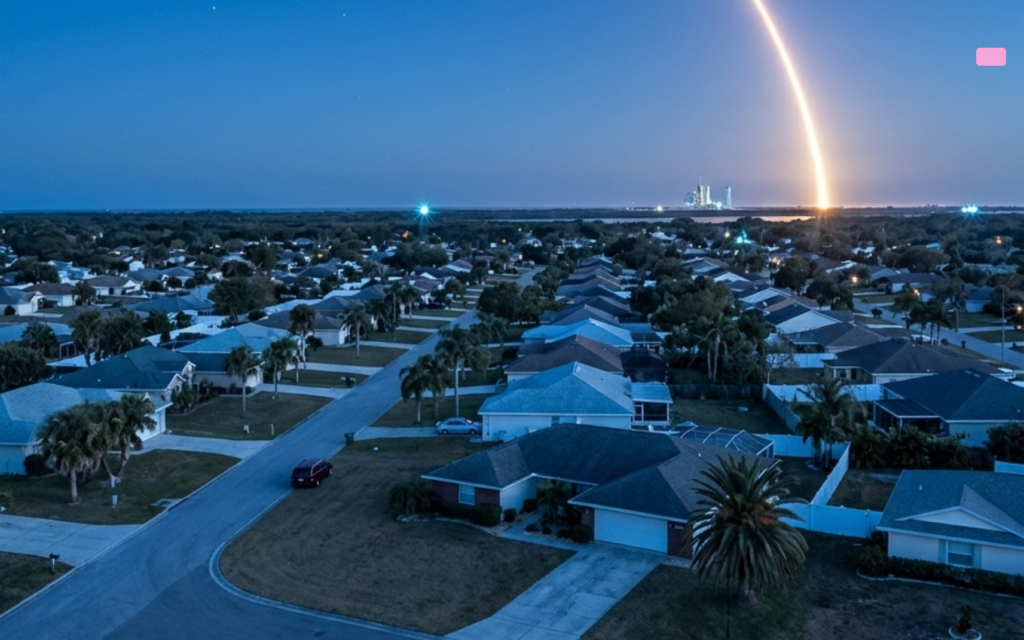
Environmental stressors such as pollution, habitat loss, and recurring algal blooms have disrupted the lagoon’s food web. Urban and suburban development around the lagoon has contributed to water quality issues and habitat fragmentation, further challenging the lagoon’s resilience.
Environmental Stressors and Habitat Shifts
Seagrass loss in the Indian River Lagoon has led to the spread of green macroalgae, particularly Caulerpa prolifera, in some areas. Unlike seagrass beds, these macroalgal habitats support fewer animal species and offer less ecological complexity.
Recent observations show a proliferation of sea slugs (Elysia subornata), which are consuming macroalgae beds. This development could cause further shifts in habitat structure and potentially impact the lagoon’s fisheries and wildlife.
Resource Management and Restoration Efforts
Resource managers are working to improve water quality and promote seagrass regrowth in the lagoon. Monitoring efforts are underway to track the spread and impact of sea slugs, as their activity could either hinder fisheries or create opportunities for seagrass recovery.
Ongoing research is focused on understanding the role of macroalgal habitats and their effects on fish populations and overall ecosystem health. These studies are essential for guiding future restoration and management strategies.
Expert Perspectives on Parasite Decline
According to experts, the Indian River Lagoon parasite decline is a sign of a simplified and less resilient ecosystem. The scarcity of parasites with complex life cycles suggests a loss of biodiversity and a breakdown in the lagoon’s intricate food webs.
Restoring seagrass beds and reducing nutrient pollution are considered critical steps for improving the lagoon’s health. While macroalgae can provide temporary habitat, experts caution that it may not fully support the biodiversity needed for a robust ecosystem and could introduce new risks due to potential toxins.
The proliferation of sea slugs is being closely monitored, as their impact on macroalgae could have significant consequences for habitat structure and the region’s fisheries.
Broader Context: Global and Regional Trends
The ecological challenges facing the Indian River Lagoon reflect broader global trends. Seagrass declines and increasing macroalgal blooms are affecting coastal systems worldwide. Water quality degradation in the lagoon is linked to urbanization, agricultural runoff, and inadequate wastewater management.
The health of the Indian River Lagoon is vital for local fisheries, recreation, and wildlife. Its decline is a regional environmental concern, underscoring the importance of coordinated management and restoration efforts.
Collaborative Management Initiatives
Effective management of the Indian River Lagoon requires partnerships among government agencies, researchers, and local stakeholders. These collaborations aim to address water quality issues, restore critical habitats, and ensure the long-term health of the lagoon’s ecosystem.
Resource managers continue to monitor ecological changes and adapt restoration strategies as new information becomes available. Ongoing research and community engagement are essential for supporting the lagoon’s recovery and resilience.
Frequently Asked Questions About Indian River Lagoon Parasite Decline
What is the Indian River Lagoon parasite decline?
The Indian River Lagoon parasite decline refers to a significant reduction in parasite prevalence within the lagoon’s ecosystem. Studies show parasite rates are about 34% lower than in similar estuaries, indicating changes in biodiversity and ecosystem health.
How much lower are parasite infection rates in the Indian River Lagoon?
Infection rates in Indian River Lagoon crustaceans are 11% lower, and in fish 8% lower, compared to other coastal systems. Some parasite groups, like digenetic trematodes and isopods, have declined even more.
Are parasites important for the Indian River Lagoon ecosystem?
Parasites are considered indicators of ecosystem health because their life cycles depend on stable and diverse host populations. A decline in parasites often signals a less complex and resilient ecosystem.
Can restoration efforts reverse the Indian River Lagoon parasite decline?
Restoration efforts that improve water quality and promote seagrass regrowth may help restore ecological balance in the lagoon. These actions could support more diverse host populations and potentially increase parasite prevalence to normal levels.
Where are the main areas of concern for habitat change in the Indian River Lagoon?
Main areas of concern include regions with significant seagrass loss and increasing macroalgae, such as Caulerpa prolifera beds. These habitat changes are being closely monitored by resource managers and researchers.