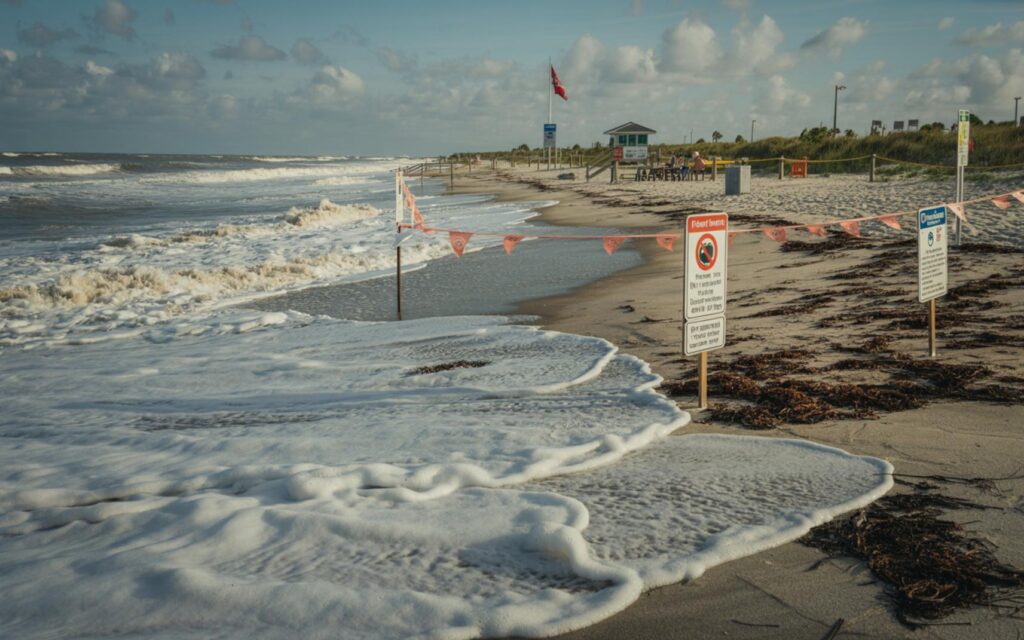
Fort Pierce Inlet State Park surf conditions experienced significant changes following Hurricane Erin, drawing attention from surfers across Florida’s east coast. The North Jetty at this park is recognized as a prime spot for wave activity, and the recent hurricane event brought a clear increase in wave height and quality.
Fort Pierce Inlet State Park Surf Conditions and Hurricane Erin’s Impact
According to local authorities, Hurricane Erin produced a marked rise in surf conditions at Fort Pierce Inlet State Park. Wave heights reached chest-high levels and above, with the North Jetty focusing much of the incoming swell energy. The event was driven by strong easterly and northeasterly swells, which are common following tropical systems in the Atlantic.
Wave Heights and Swell Periods at Fort Pierce Inlet State Park
During the aftermath of Hurricane Erin, swell periods at Fort Pierce Inlet State Park ranged from 9 to 10 seconds. This indicated powerful, organized wave energy, a feature often seen after hurricanes pass through the region. Surfers reported that these conditions led to some of the best surf of the year, with consistent sets and improved wave shape.
Wind Patterns and Surf Quality
Winds initially shifted offshore as Hurricane Erin moved away, helping to clean up the surf and create more defined waves. As the storm exited the area, wind patterns gradually returned to typical onshore flows, which can affect wave quality. The combination of offshore winds and hurricane-driven swells created a window of excellent surf conditions at the park.
Geography and Swell Amplification at Fort Pierce Inlet State Park
The unique geography of Fort Pierce Inlet State Park, including its jetty and sandbars, plays a key role in amplifying incoming swells. According to surf experts, these features focus wave energy, making the park especially responsive to hurricane-driven surf. This responsiveness is a major reason why the park is a popular destination during hurricane season.
Water Temperatures and Comfort for Surfers
Water temperatures remained warm throughout the event, averaging around 80°F. These conditions provided a comfortable environment for extended surf sessions, even as wave heights increased. Warm water is a consistent feature of Florida’s surf season, but hurricane swells can bring additional hazards.
Safety Considerations During Hurricane Swell Events
While hurricane swells can create prime surf conditions, they also introduce risks. According to local authorities and surf experts, strong currents, shifting sandbars, and rapidly changing wave heights can make the water hazardous. Surfers are advised to exercise caution and remain aware of evolving conditions, especially in the days immediately following a storm.
- Strong currents can develop quickly and pull even experienced surfers away from safe areas.
- Shifting sandbars may alter familiar surf breaks, changing the way waves break and increasing the risk of injury.
- Rapidly changing wave heights can catch surfers off guard, especially during the peak of post-storm swells.
Local Authorities’ Guidance
Local authorities continue to advise surfers and beachgoers to monitor official surf forecasts and weather updates. The dynamic nature of hurricane-driven surf means conditions can change quickly, and safety should remain a priority for all visitors to Fort Pierce Inlet State Park.
Surf Forecasts and Residual Swell Patterns
After Hurricane Erin moved further into the Atlantic, local surf forecasts indicated a gradual decrease in wave size at Fort Pierce Inlet State Park. However, residual swells continued to provide rideable waves for several days. This extended period of elevated surf is typical after slow-moving hurricanes, as lingering energy in the ocean keeps wave activity high.
Monitoring Tropical Weather for Surf Potential
Surf experts highlight the importance of monitoring tropical weather systems for both safety and surf opportunities. Hurricanes can dramatically alter coastal conditions in a short period, affecting everything from wave height to water safety. Staying informed through official channels helps surfers plan sessions and avoid hazards.
Fort Pierce Inlet State Park as a Surf Destination During Hurricane Season
Fort Pierce Inlet State Park remains a favored destination for surfers seeking quality waves during hurricane season. The park’s location, combined with its natural and man-made features, makes it especially responsive to large swells generated by tropical systems. Local authorities and surf experts consistently recommend respecting the power of post-storm surf and following all posted warnings and guidelines.
Frequently Asked Questions About Fort Pierce Inlet State Park Surf Conditions
What are typical surf conditions at Fort Pierce Inlet State Park?
Fort Pierce Inlet State Park usually sees moderate surf, but conditions can change quickly during hurricane season. The North Jetty often helps focus wave energy, making it a popular spot for local surfers.
How does a hurricane like Erin affect surf conditions at the park?
Hurricanes can increase wave heights and create more powerful surf at Fort Pierce Inlet State Park. After Hurricane Erin, waves reached chest-high levels and above, with strong currents and shifting sandbars present.
Are there safety risks when surfing after a hurricane in PSL?
Yes, surfing after a hurricane in PSL can be risky due to strong currents, rapidly changing wave heights, and unstable sandbars. Local authorities recommend checking conditions and following safety advisories.
Can you surf at Fort Pierce Inlet State Park year-round?
Surfing is possible year-round at Fort Pierce Inlet State Park, but the best waves often occur during hurricane season. Conditions are most dynamic from late summer through early fall.
Where are the best surf spots near Fort Pierce Inlet State Park?
The North Jetty at Fort Pierce Inlet State Park is one of the best-known surf spots in the area. Other nearby locations along Florida’s east coast also offer quality waves, especially during hurricane swells.