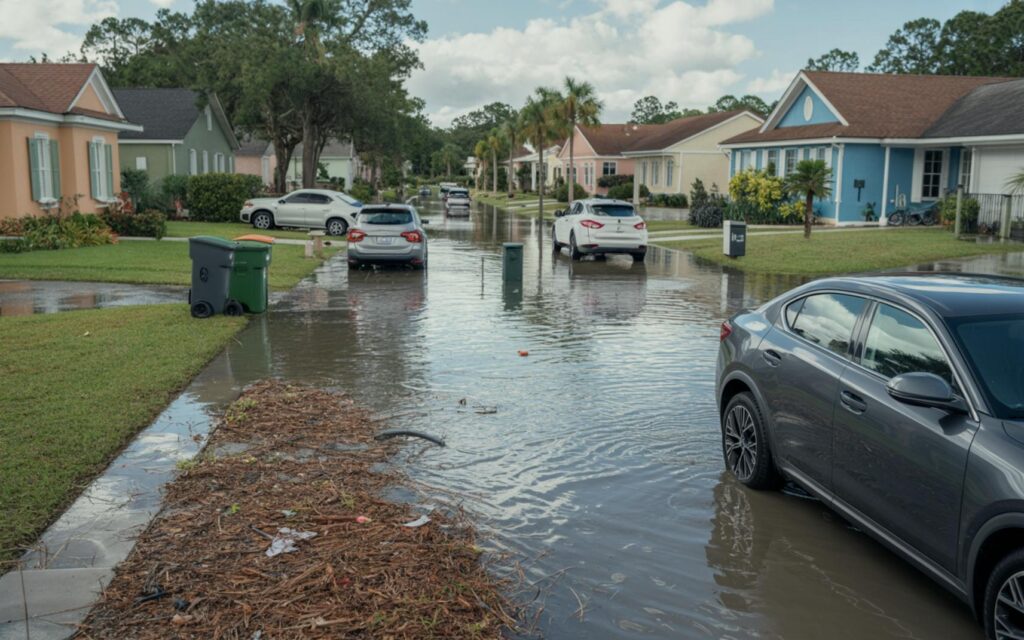
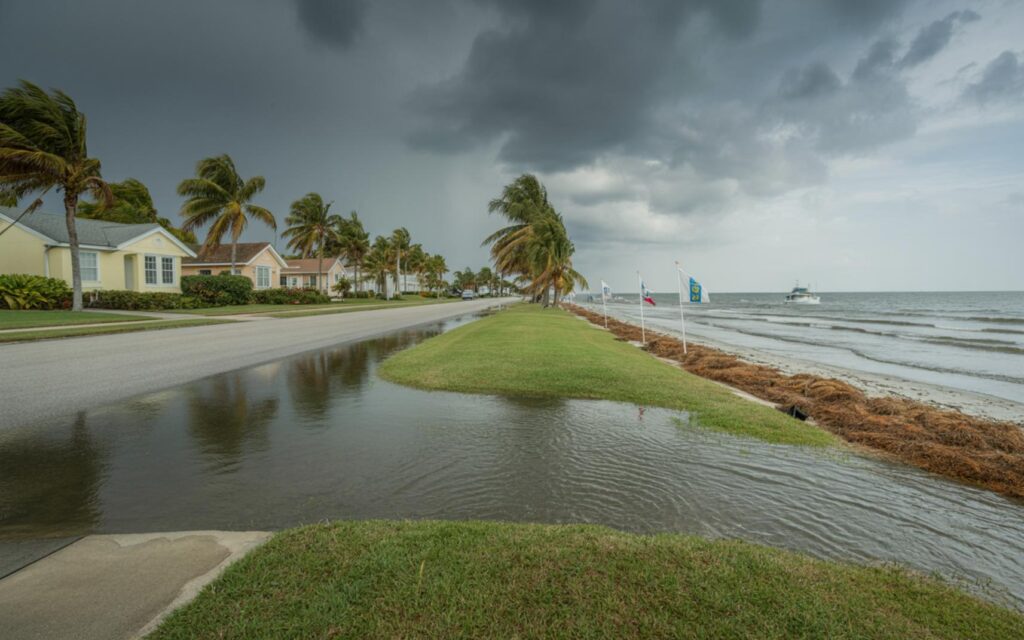
South Florida coastal flooding is a growing concern as the region faces more frequent storms, rising sea levels, and record-breaking rainfall. According to official agencies and recent studies, both the frequency and severity of flood events are increasing, placing communities, infrastructure, and natural habitats at risk.
South Florida Coastal Flooding: Key Facts and Recent Statistics
South Florida experiences frequent scattered storms and coastal flooding, with major flood events occurring on average about three times per year. Urban areas such as Miami Beach and Downtown Miami are particularly vulnerable, often facing even more frequent flooding episodes.
In 2023, Fort Lauderdale recorded over 100 inches of rain. According to the National Weather Service, a single event brought more than 26 inches of rain in just 24 hours, resulting in severe urban flooding and causing over $20 million in damages.
Sea levels in Florida have risen approximately 8 inches since 1950, with the rate of rise accelerating in recent decades. Current projections estimate sea levels could rise by over 1 meter (3.1 feet) by 2100, with worst-case scenarios suggesting up to 2 meters if Antarctic ice loss increases.
The Southeast, including South Florida, is expected to experience 6 to 9 high tide flood days during the 2025-2026 period, a nearly 500% increase compared to the year 2000. Some locations, such as Trident Pier, FL, may see as many as 16 to 22 high tide flood days in the coming year, according to the National Oceanic and Atmospheric Administration (NOAA).
Why South Florida Is Vulnerable to Coastal Flooding
South Florida’s flat, low-lying geography and proximity to the Atlantic Ocean make it highly susceptible to both rainfall-driven and tidal flooding. The region’s water management infrastructure was designed for a different climate regime and is increasingly challenged by higher rainfall totals, rising seas, and more frequent extreme weather events.
Flooding is often worsened by a combination of heavy rainfall, high tides, storm surge from hurricanes, and limited drainage in urbanized areas. These factors combine to increase the risk of both flash floods and persistent inundation in coastal neighborhoods.
Factors Contributing to Coastal Flooding
- Heavy rainfall during storms and hurricanes
- High tides and king tide events
- Storm surge from tropical cyclones
- Inadequate drainage in urban areas
- Sea level rise due to climate change
Recent Developments in Flood Risk Management
The South Florida Water Management District has developed a Sea Level Rise and Flood Resiliency Plan to address evolving flood risks. This plan prioritizes infrastructure upgrades and integrated basin-wide solutions, aiming to adapt to changing conditions and reduce the impact of future flood events.
Recent years have seen record-breaking rainfall and flood events, prompting updates to flood risk maps and emergency response strategies. According to the Federal Emergency Management Agency (FEMA), these updates are essential for guiding new development and protecting existing communities.
New technologies, such as advanced flood tracking apps, are being deployed to improve real-time monitoring and community preparedness. These tools help residents and local officials track rising water levels, receive alerts, and make informed decisions during extreme weather events.
The Atlantic hurricane season is predicted to be above normal in 2025, increasing the risk of coastal flooding from storm surge and heavy rains, according to the National Hurricane Center.
Expert Perspectives on Climate Change and Flooding
Experts agree that climate change is driving both the frequency and intensity of coastal flooding in South Florida. Sea level rise and more intense rainfall events are the main contributors to this trend, according to the Intergovernmental Panel on Climate Change (IPCC) and regional climate studies.
There is consensus that effective adaptation will require significant investment in resilient infrastructure, updated water management systems, and strong community engagement. Projections indicate that without mitigation and adaptation, large portions of South Florida’s coastal areas could be regularly inundated within the next century.
Experts highlight the importance of integrating scientific data, advanced modeling, and public policy to address both immediate and long-term flood risks. Ongoing research and collaboration among local, state, and federal agencies are considered essential for developing effective solutions.
Economic, Social, and Environmental Impacts
South Florida’s economy, population centers, and ecosystems are all at risk from persistent flooding. Impacts range from property damage and transportation disruptions to threats to drinking water supplies and natural habitats.
According to the Florida Department of Economic Opportunity, flood-related damages can have lasting effects on local businesses and tourism. Transportation networks are also vulnerable, with road closures and delays during major flood events.
Natural habitats, including wetlands and coastal ecosystems, face increased stress from saltwater intrusion and prolonged inundation. These changes affect wildlife and can reduce the region’s natural resilience to storms and flooding.
Government Response and Community Preparedness
State and local governments in South Florida are required to submit annual flood and sea level rise resilience plans. These plans reflect the urgency and ongoing nature of the challenge, guiding investments in infrastructure and emergency response.
The region’s flood risk is influenced by both global factors, such as sea level rise and climate variability, and local factors, such as land use, drainage capacity, and coastal development patterns. Community awareness and preparedness are increasingly important as extreme weather events become more common and impactful.
Efforts to improve public education, update building codes, and promote flood insurance participation are ongoing. Local agencies continue to encourage residents to stay informed and take steps to protect their property and families during flood events.
Frequently Asked Questions About South Florida Coastal Flooding
What is causing increased coastal flooding in South Florida?
Increased coastal flooding in South Florida is caused by a combination of sea level rise, more intense rainfall, and higher storm surge from hurricanes. These factors are made worse by climate change and the region’s flat geography.
How much has sea level risen in South Florida?
Sea levels in Florida have risen about 8 inches since 1950. The rate of rise has accelerated in recent decades, according to official sources.
Are there new technologies to help track flooding in South Florida?
Yes, new flood tracking apps and advanced monitoring systems are being used to provide real-time information. These tools help residents and officials respond quickly during flood events.
Can you prevent all coastal flooding in South Florida?
It is not possible to prevent all coastal flooding, but investments in resilient infrastructure and better planning can reduce the impact. Community preparedness and updated water management are also important.
Where are the highest flood risks in South Florida?
Urban areas like Miami Beach, Downtown Miami, and low-lying coastal neighborhoods face the highest flood risks. Areas near the ocean and with limited drainage are especially vulnerable.