The Hurricane Milton tornado outbreak stands as one of the most significant tornado events in Florida’s history, with severe impacts on the Treasure Coast and surrounding communities. According to the National Weather Service and Florida Division of Emergency Management, this event set a new state record for tornadoes in a single day, highlighting the risks associated with hurricanes in Florida.
Hurricane Milton Tornado Outbreak: Key Facts and Impact
Between October 8 and 9, 2024, Hurricane Milton triggered a tornado outbreak that resulted in 46 to 47 confirmed tornadoes across Florida. The National Weather Service confirmed that this surpassed all previous single-day tornado records for the state. The outbreak was particularly destructive along the Treasure Coast, including St. Lucie County, Glades, and Palm Beach counties.
At least three tornadoes reached EF3 intensity, with estimated peak winds up to 155 mph. According to preliminary reports from the National Weather Service, the deadliest tornado struck a mobile home community near Fort Pierce in St. Lucie County, resulting in at least six to seven tornado-related deaths and over a dozen injuries.
Widespread destruction was reported, with homes, businesses, vehicles, and infrastructure sustaining major damage. The tornadoes left a combined path length exceeding 270 miles, according to official sources.
Power Outages and Emergency Response
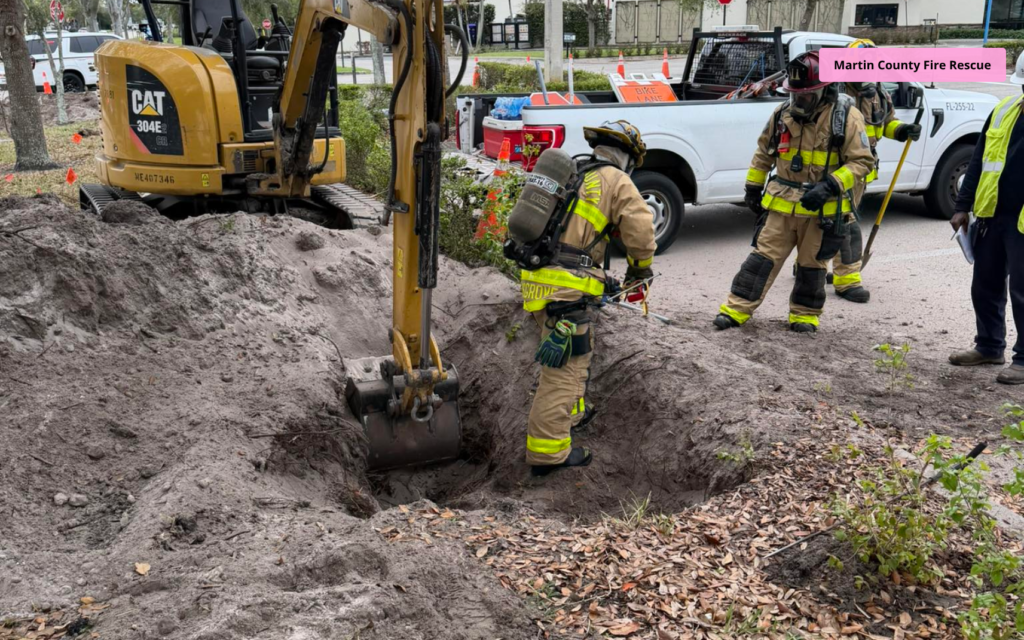
During and after the tornado outbreak, over 3 million customers lost power across Florida. Utility companies and emergency management agencies prioritized power restoration and debris removal in the hardest-hit areas, especially along the Treasure Coast. According to the Florida Division of Emergency Management, crews worked around the clock to restore essential services.
Damage assessments are ongoing, with teams from the National Weather Service and local emergency agencies conducting detailed surveys to document tornado paths, intensities, and impacts. Officials reported that recovery efforts focus on restoring basic infrastructure and supporting displaced residents.
Background: Hurricane Milton and Weather Conditions
Hurricane Milton was the second Category 5 hurricane of the 2024 Atlantic season. The storm formed from a tropical wave off Africa in mid-September, rapidly intensified in the Gulf of Mexico, and made landfall in Florida as a Category 3 hurricane, according to the National Hurricane Center.
Milton’s landfall occurred less than two weeks after Hurricane Helene, compounding recovery challenges for affected regions. The tornado outbreak was fueled by the hurricane’s outer bands interacting with unstable atmospheric conditions as the storm crossed the Florida peninsula.
Severity and Rarity of the Tornado Outbreak
Meteorologists with the National Weather Service observed that tornadoes associated with hurricanes in Florida are typically weaker, often rated EF0 or EF1. However, Hurricane Milton produced an unusually high number of strong tornadoes, including several rated EF2 and EF3. The clustering of tornadoes in densely populated areas, such as St. Lucie County and the Treasure Coast, increased the risk of casualties and property damage.
The occurrence of EF3 tornadoes during a tropical cyclone is rare in Florida, underscoring the exceptional nature of this outbreak. Officials noted that the event is among the deadliest and most damaging tornado outbreaks in the state over the past 70 years.
Ongoing Recovery and Community Impact
As of early 2025, recovery efforts remain underway in the hardest-hit communities. Emergency management agencies continue to conduct damage assessments, provide temporary shelter, and coordinate debris removal. Local governments have prioritized restoring essential services and supporting residents affected by the tornadoes.
Officials from the Florida Division of Emergency Management and local agencies have highlighted the importance of reviewing building codes and emergency preparedness plans in light of the severe tornado impacts. The event has prompted renewed discussions about the risks of tornadoes during hurricanes and the need for effective warning systems.
Broader Context: 2024 Hurricane Season and Record-Setting Events
The 2024 hurricane season has been characterized by high activity and multiple major hurricanes making landfall in Florida. According to the National Hurricane Center, the back-to-back occurrence of Hurricane Helene and Hurricane Milton has placed additional strain on emergency response systems and infrastructure resilience.
The tornado outbreak during Hurricane Milton contributed to the storm becoming one of the costliest hurricanes on record, with total damages estimated in the tens of billions of dollars. The event also led to a record number of tornado warnings issued in Florida, according to the National Weather Service.
Frequently Asked Questions About Hurricane Milton Tornado Outbreak
What is the Hurricane Milton tornado outbreak?
The Hurricane Milton tornado outbreak refers to a series of 46–47 tornadoes that struck Florida on October 8–9, 2024, during Hurricane Milton. It set a new state record for tornadoes in a single day and caused severe damage, especially on the Treasure Coast.
How many tornadoes occurred during Hurricane Milton in Florida?
According to the National Weather Service, there were 46–47 confirmed tornadoes in Florida during Hurricane Milton, making it the largest single-day tornado outbreak in state history.
Are tornadoes from hurricanes common in Florida?
Tornadoes from hurricanes do occur in Florida, but most are weaker and less frequent. The number and intensity of tornadoes during Hurricane Milton were unusual for the state.
Can you explain the impact on St. Lucie County and the Treasure Coast?
St. Lucie County and the Treasure Coast experienced severe tornado damage, including the deadliest tornado of the outbreak near Fort Pierce. Many homes, businesses, and infrastructure were affected, and recovery efforts are ongoing.
Where are the official tornado path surveys available?
Official tornado path surveys and damage reports are published by the National Weather Service and the Florida Division of Emergency Management. These agencies provide maps and detailed information on their websites as assessments are completed.