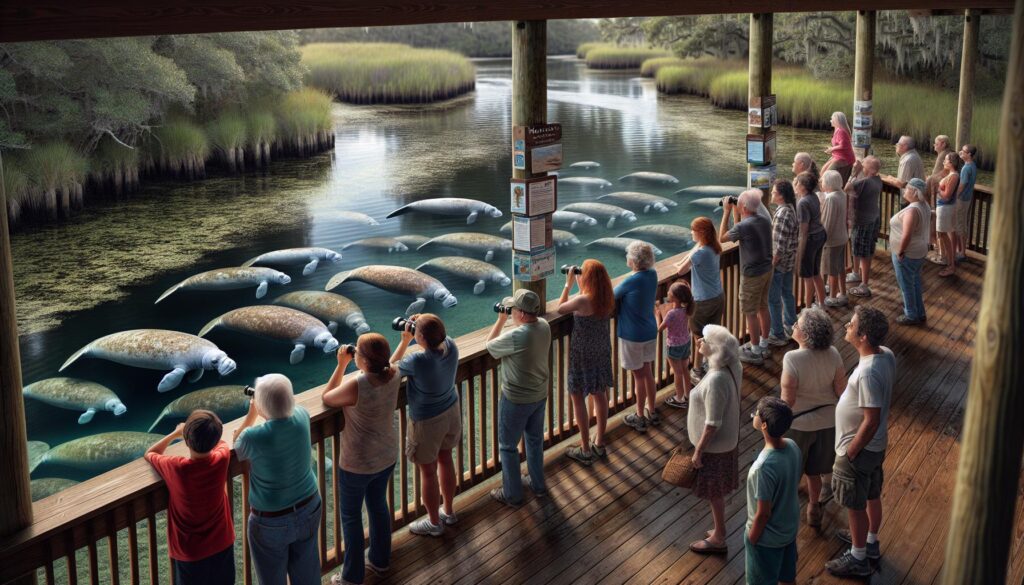
Florida manatee viewing sites continue to attract visitors and support conservation, even as some power plants that once served as winter refuges for manatees have closed or scaled back operations. The importance of these natural and protected areas has grown, with manatee populations and public interest both reaching new highs in recent years.
Florida Manatee Viewing Sites: Key Locations and Trends
Florida manatee viewing sites, such as Crystal River, Blue Spring State Park, Manatee Springs, and Manatee Park in Fort Myers, are among the most popular destinations for observing these marine mammals. According to the Florida Fish and Wildlife Conservation Commission (FWC), these sites attract hundreds of manatees during the colder months, with the peak viewing season running from November through April.
During this period, manatees migrate from coastal waters and rivers into natural springs, where water temperatures remain stable in the low to mid-70s Fahrenheit. Viewing is most active when Gulf temperatures drop below 68°F (20°C), prompting large numbers of manatees to seek out these warm-water refuges.
Manatee Population Growth and Conservation Success
The Florida manatee population is currently estimated at around 7,500 individuals, according to official sources. At Blue Spring State Park, the number of manatees observed has grown significantly—from just 14 individuals in 1970 to over 700 in 2023. This increase highlights the effectiveness of conservation and habitat management efforts at key sites.
Recent seasons have seen record numbers of manatees and calves at major springs. In February 2025, more than 400 manatees were counted at Blue Spring on a single day, and over 70 new calves were recorded in early 2025, according to FWC monitoring data. These figures indicate both population resilience and successful reproduction in protected environments.
Natural Springs vs. Artificial Warm-Water Sites
Historically, artificial warm-water sites such as power plant outflows provided critical winter shelter for manatees. However, as some of these plants have closed or reduced operations, natural springs and designated protected areas have become increasingly important for manatee survival and public viewing.
Experts with the Florida Fish and Wildlife Conservation Commission emphasize that the restoration and protection of natural springs have allowed manatee populations to thrive. These areas now offer more sustainable and safe options for both the animals and those hoping to observe them.
Features and Activities at Manatee Viewing Sites
Florida manatee viewing sites provide a range of amenities and educational opportunities for visitors. Common features include:
- Boardwalks and observation platforms for safe viewing
- Sanctuary zones to reduce disturbance and injury risks
- Kayak and paddleboard rentals for water-based observation
- Interpretive programs and educational displays about manatee biology and conservation
These activities support both wildlife protection and the growth of ecotourism throughout the state.
Ongoing Monitoring, Rescue, and Rehabilitation
Continuous monitoring and rescue operations are coordinated by the Florida Fish and Wildlife Conservation Commission and partner organizations. Regular releases of rehabilitated manatees and rescues of orphaned calves contribute to population stability. Officials report that these efforts are essential for maintaining healthy numbers and addressing threats such as cold stress, boat strikes, and habitat loss.
According to a preliminary FWC report, the combination of sanctuary zones, restricted boating areas, and public education has reduced risks to manatees in key habitats. Details may be updated as monitoring and research continue.
Public Interest and the Future of Manatee Viewing in Florida
The continued popularity of Florida manatee viewing sites reflects strong public interest in wildlife conservation. Despite the loss of some artificial refuges, natural springs and protected areas have become central to both manatee survival and sustainable tourism.
Officials highlight that the resilience of Florida’s manatee population, along with active management and public engagement, supports ongoing conservation goals. Manatee viewing sites remain a vital resource for education, research, and the appreciation of these iconic marine mammals.
Frequently Asked Questions About Florida Manatee Viewing Sites
What are the best Florida manatee viewing sites?
Top manatee viewing sites in Florida include Crystal River, Blue Spring State Park, Manatee Springs, and Manatee Park in Fort Myers. These locations offer reliable opportunities to see manatees, especially during winter months.
How many manatees can be seen at Florida viewing sites?
During peak season, hundreds of manatees may gather at popular springs. For example, Blue Spring State Park has recorded over 400 manatees on a single day in recent years.
Are Florida manatee viewing sites open year-round?
Most manatee viewing sites are open year-round, but the best time to see manatees is from November through April. Manatees are most visible when water temperatures are cooler.
Can you kayak or paddleboard at Florida manatee viewing sites?
Many sites offer kayak and paddleboard rentals, allowing visitors to observe manatees from the water. Some areas may have restrictions during peak manatee season to protect the animals.
Where are manatee sanctuaries located in Florida?
Manatee sanctuaries are found at key springs and rivers throughout Florida, including Crystal River, Blue Spring, and Manatee Springs. These protected areas help keep manatees safe from boats and human disturbance.